Svalbard Global Seed Vault
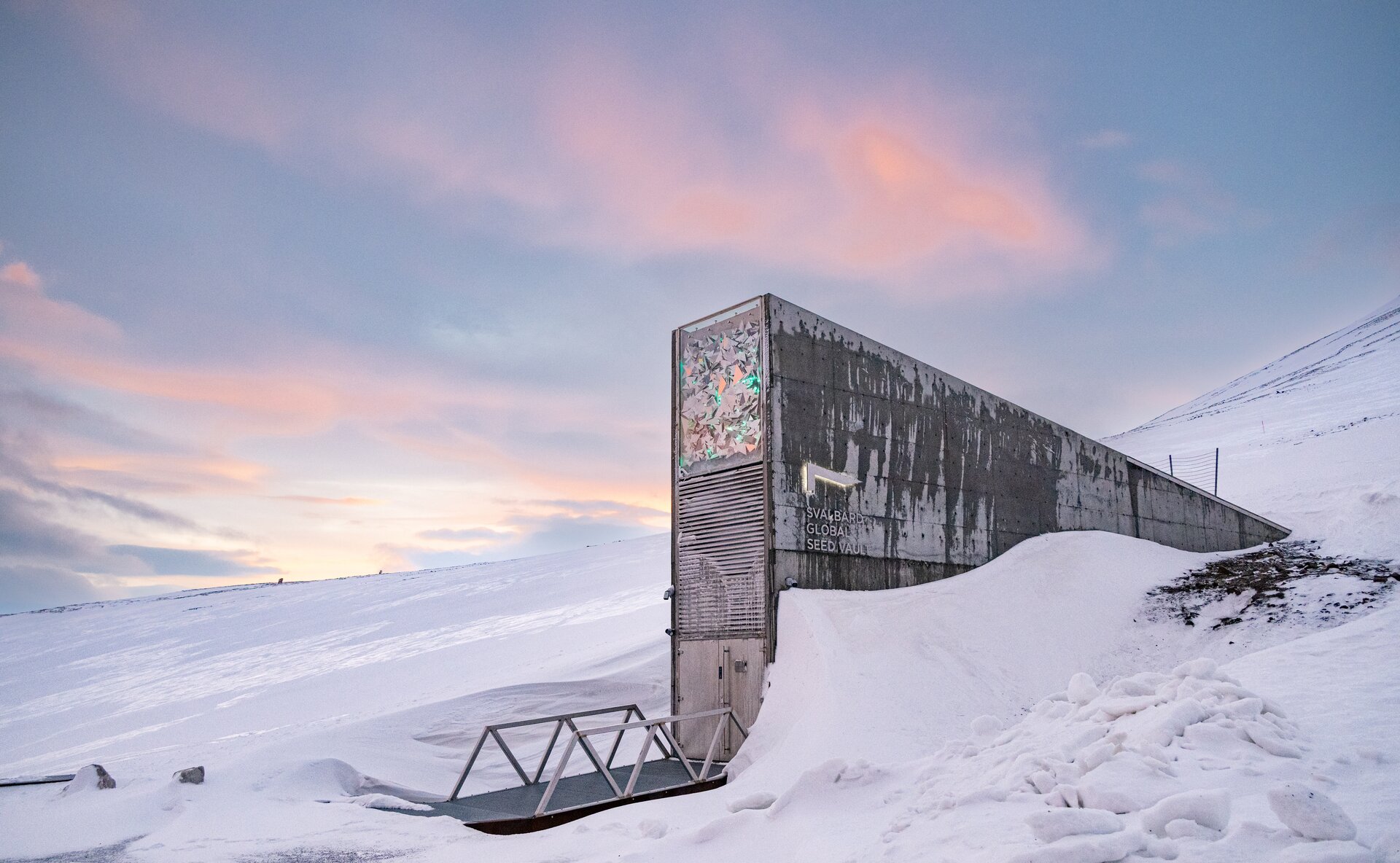
In 2025, deposits into the Svalbard Global Seed Vault showcased the power of collaboration in securing the future of food. Eight new depositors joined longtime contributors in adding more than 46,000 seed samples to the Vault’s icy shelves. As of the end of the year, 131 depositors had deposited 1.37 million seed samples at the Svalbard Global Seed Vault.
Collaboration makes this possible. The year marked the final deposits by partners supported by the Crop Trust’s BOLD project. Over five years, the Crop Trust collaborated with 42 partner institutions to back up their collections in Svalbard for long-term safekeeping. This cooperation and support brought crucial agricultural and cultural heritage to Svalbard from Bolivia, Brazil, Indonesia, Suriname, Zimbabwe and beyond.
Following the February deposit ceremony, the Crop Trust hosted the Svalbard International Dialogue to deepen collaboration. The goal? Strengthen the global system for conservation and use of crop diversity. The Dialogue opened space for genebank leaders to share perspectives and hear from visionaries, including Dr Cary Fowler and Dr Geoffrey Hawtin OBE – both 2024 World Food Prize Laureates.
The Dialogue explored strategies to build a more resilient global food system on a foundation of crop diversity. Participants highlighted the urgent need to raise awareness and communication around crop diversity. They also explored outreach, while emphasizing the vital role of national genebanks in safeguarding their countries' agricultural diversity. “We should continue to look to the long term because the Seed Vault was built for the long haul,” said Dr Kent Nnadozie, Secretary of the International Treaty on Plant Genetic Resources for Food and Agriculture, in a call to action urging collective efforts to strengthen global conservation.
The June deposit featured a longstanding collaboration as Seed Savers Exchange marked its 50th anniversary with new deposits of 16 crop varieties. Seed Savers has deposited every year since the Vault opened, conserving valuable seeds for America’s farmers. In total in June, 14 genebanks deposited over 11,200 seed samples, including many of cultural significance. For example, Can Tho University in Vietnam added 1,000 rice samples cultivated in the Mekong Delta.
In October, 20 genebanks added more than 21,000 seed samples. The largest deposit came from the Philippine Rice Research Institute, a first-time depositor. The World Vegetable Center genebank in Tanzania also made the largest-ever deposit of traditional African vegetable seeds. These large and first-time deposits represent a lot of effort by many people. The Crop Trust must recognize the collaboration by all who help make the Svalbard Global Seed Vault an effective back-up of the world’s crop diversity.
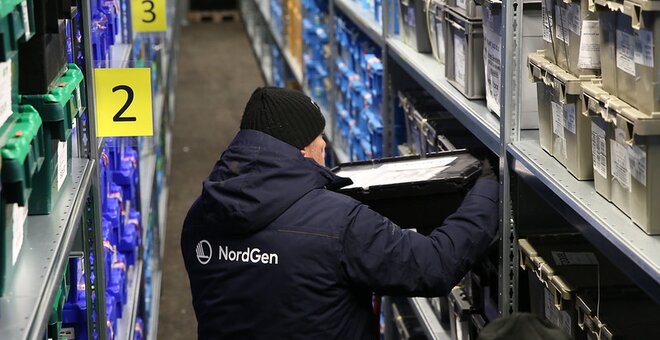
The Svalbard Global Seed Vault operates as a partnership of the Norwegian Ministry of Agriculture and Food, the Nordic Genetic Resource Center (NordGen) and the Crop Trust. It can hold more than four million seed samples.
Related Stories
Svalbard Global Seed Vault Deposit - February 2025
The Svalbard Global Seed Vault opens its doors to receive the first shipment of the year of the world's crop diversity. This deposit marks a major milestone in international collaboration for food security and the conservation of crop diversity.
24 Feb 2025 - 25 Feb 2025

Inaugural International Svalbard Dialogue: Saving Seeds for the Long Haul
On 25 February 2025, the Svalbard Global Seed Vault received a landmark deposit. Twenty-one genebanks deposited over 14,000 seed samples. Many of the seeds were special. Sorghum and pearl millet from war-torn Sudan. Culturally...
28 Mar 2025

Svalbard Global Seed Vault Deposit - October 2025
The Svalbard Global Seed Vault opens its doors to receive a shipment of the world's crop diversity for the third time this year.
Members of the media are welcome to attend. To register, please contact media@croptrust.org.
21 Oct 2025
21 Oct 2025