BOLD Results for Crop Diversity Conservation to Use
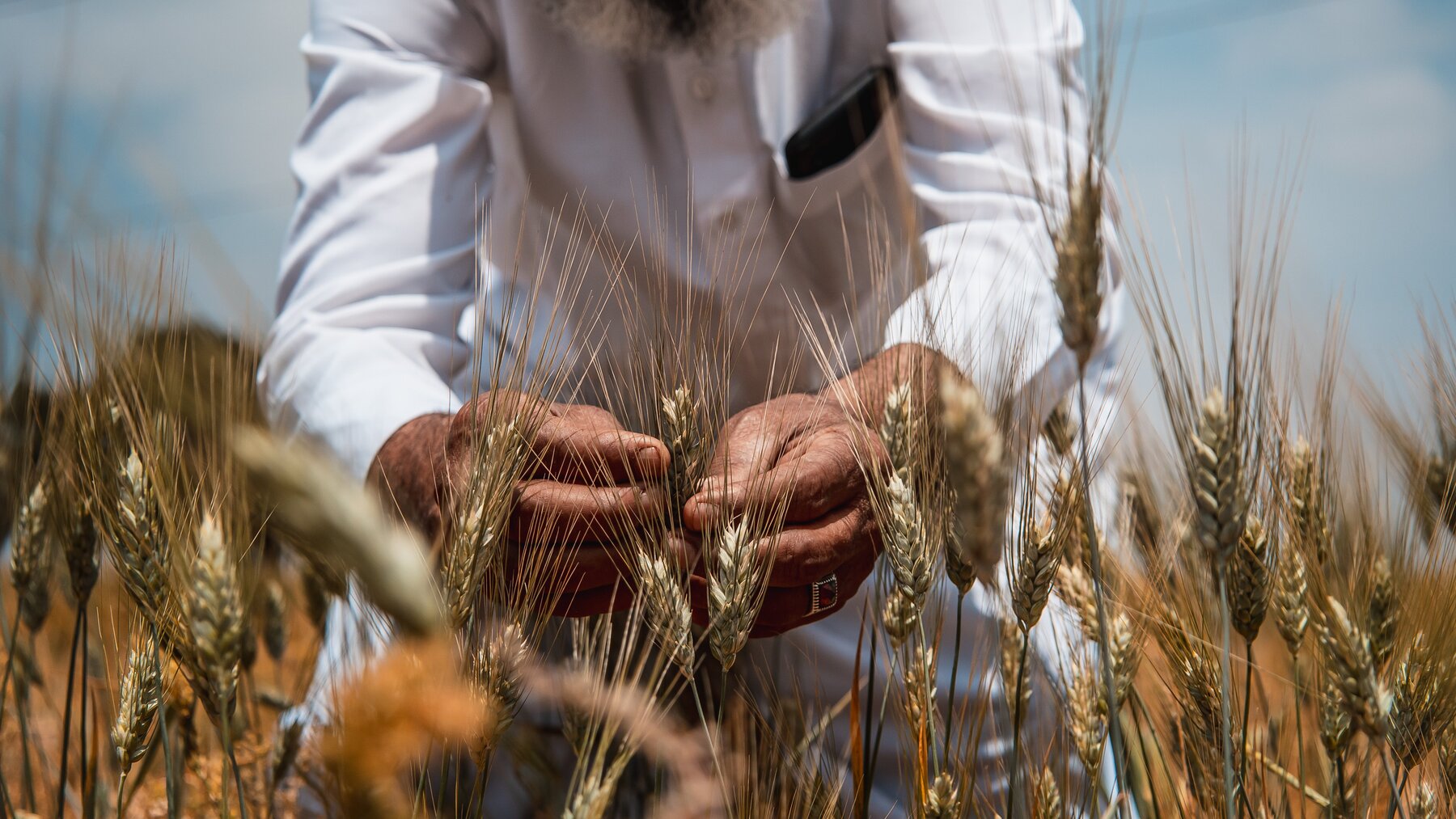
In 2025, the Biodiversity for Opportunities, Livelihoods and Development (BOLD) project achieved several key milestones that will improve crop diversity conservation and use in partner countries, with positive outcomes for the global genebank system.
- Forty-two genebank partners across the globe regenerated more than 44,000 seed samples, with over 33,000 samples backed up in the Svalbard Global Seed Vault.
- Expedited seed multiplication of durum wheat in Morocco and released three new crop varieties – alfalfa in Kazakhstan, durum wheat in Nigeria, and potato in Peru.
- Launched the Conserving & Using Crop Diversity interactive experience to educate about crop diversity conservation and use, with a plant breeding game and quiz.
- Built the Opportunity Crops Knowledge Base into a useful tool for scientists, researchers and policy-makers interested in tapping the potential of these crops.
- Launched a Genebank Academy with courses that train genebank staff on digital tools for data management and best practices for operations.
- Connected genebanks to each other and worked with national genebanks on ways to communicate activities and achievements, bringing the voice of genebanks to important conversations.
- Supported Emergency Reserve activity in Ecuador, Costa Rica, Guatemala and Ukraine to protect at-risk collections and facilities.
- Completed seed systems assessments in four countries to inform a pilot project that will increase farmers' access to crop diversity in genebanks.
Capacity and Resource Development
In 2025, capacity and resource development for national genebanks remained in focus. Forty-six in-person and virtual training events were held on quality management systems (QMS), data management and basic genebank operations, engaging partner genebanks across Africa, Asia, Latin America and the Middle East. This included:
- A QMS workshop hosted by the Alliance of Bioversity International and CIAT.
- Multicountry policy-related capacity-building workshops for Balkan, Central Asia, and Caucasus regions organized with the International Plant Treaty.
- A joint workshop in Bangkok with the UNFCCC Regional Collaboration Centre Asia Pacific and the Institute for Global Environmental Strategies examining integration of crop diversity conservation and use into National Adaptation Plans and Nationally Determined Contributions under the Paris Agreement.
The Genebank Academy was launched featuring online courses for the genebank community. These courses cover operational best practices and data management, enabling all genebanks to access knowledge on crop diversity conservation and use through a centralized platform.
Making New Diversity Available
BOLD aims to broaden the genetic base of seven key food and forage crops – alfalfa, barley, durum wheat, finger millet, grasspea, potato and rice.
As part of this effort, the project supported the release of three new crop varieties in 2025:
- Tozimdi, a newly developed drought- and heat-tolerant variety of alfalfa, was released in Kazakhstan to allow cultivation of alfalfa as a rain-fed crop.
- A new potato variety called CIP-Asiryq was developed by BOLD partners to grow late blight-resistant potatoes adapted to the Andean highlands.
- A new durum wheat variety was released in Nigeria.
In Morocco, seed multiplication of the new Jawahir durum wheat variety was fast-tracked by the government after it showed yield gains that can exceed 40 percent on farms under severe drought conditions.
Work continued on the other crops as well. High-performing lines of finger millet were advanced in Tanzania and Uganda. Grasspea breeding lines with low levels of the toxin ODAP were identified for testing in Bangladesh, India and Nepal. For rice, two Nông dân lines in Vietnam advanced toward official varietal release.
This year, the GridScore NEXT plant phenotyping application was developed to improve field trial data collection in plant genetics, pre-breeding and crop improvement research.
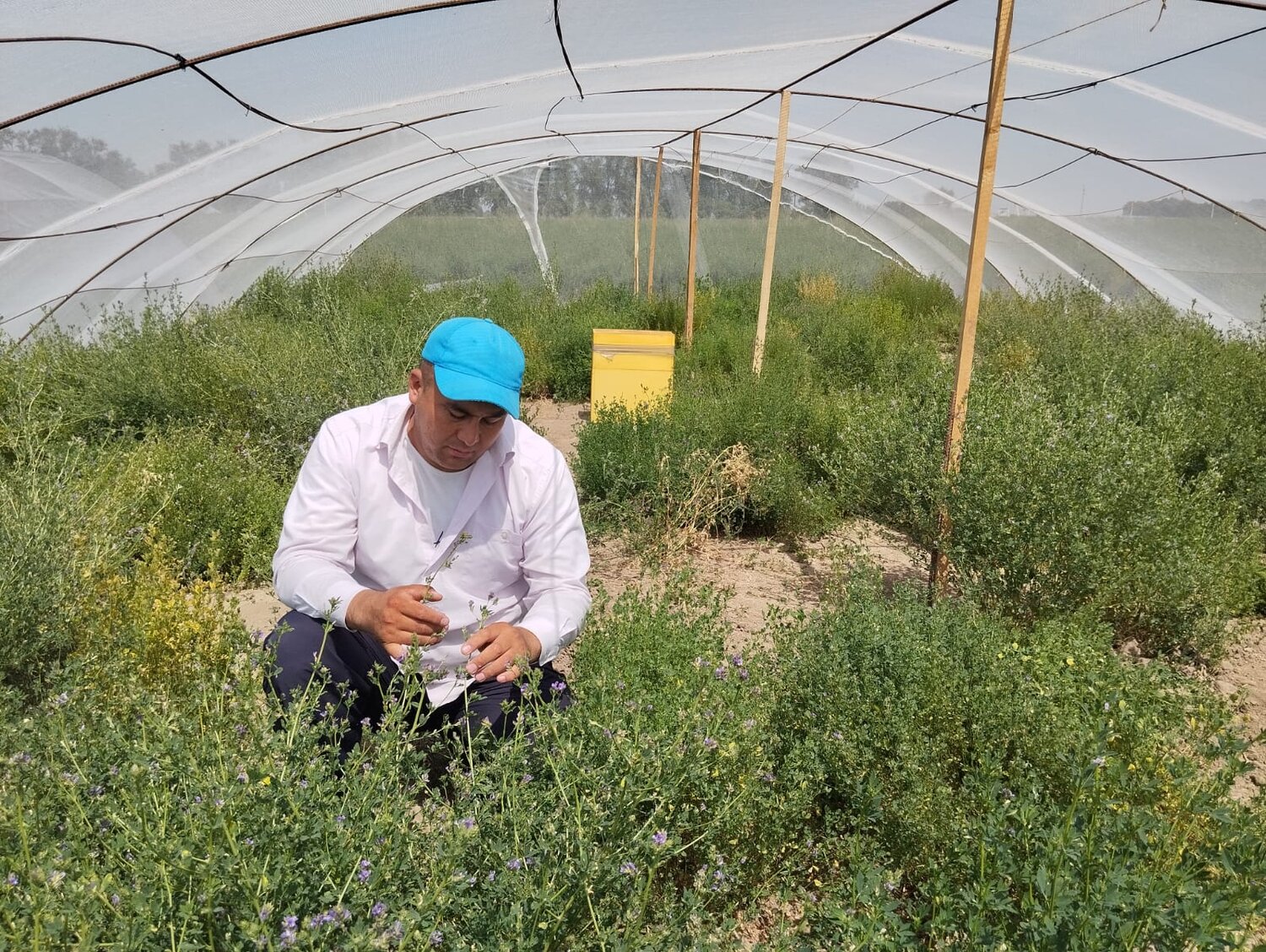
Farmer checking Alfalfa collection in Kazakhstan Photo: Crop Trust
Genebanks and Seed Systems
In 2025, the Genebank and Seed Systems Toolkit and country-level assessments provided the foundation to transition from seed system research to implementation. Assessment findings were validated through multi-stakeholder consultations and translated into actionable interventions to enhance farmers’ access to crop diversity held in their country’s genebank. Building on this evidence, pilot project proposals were developed in four countries. These outline structured approaches to strengthen seed systems, increase farmers’ access to crop diversity and link genebanks more effectively with farmers and other downstream actors.
Detailed action research plans were developed to systematically assess the effectiveness and impact of these interventions, generating evidence on what works.
Major achievements of the year included:
- Published the Spanish version of the Ecuador seed system assessment report.
- Launched the first pilot project in Ecuador, including training and tricot trials on maize, beans, and potatoes at a highland site.
- Developed action research frameworks to assess the performance and impact of pilot interventions.
As BOLD seed systems work shifts to action and implementation, the project has established the partnerships, capacities and evidence base needed to connect genebanks with farmers and support more resilient and effective seed systems.
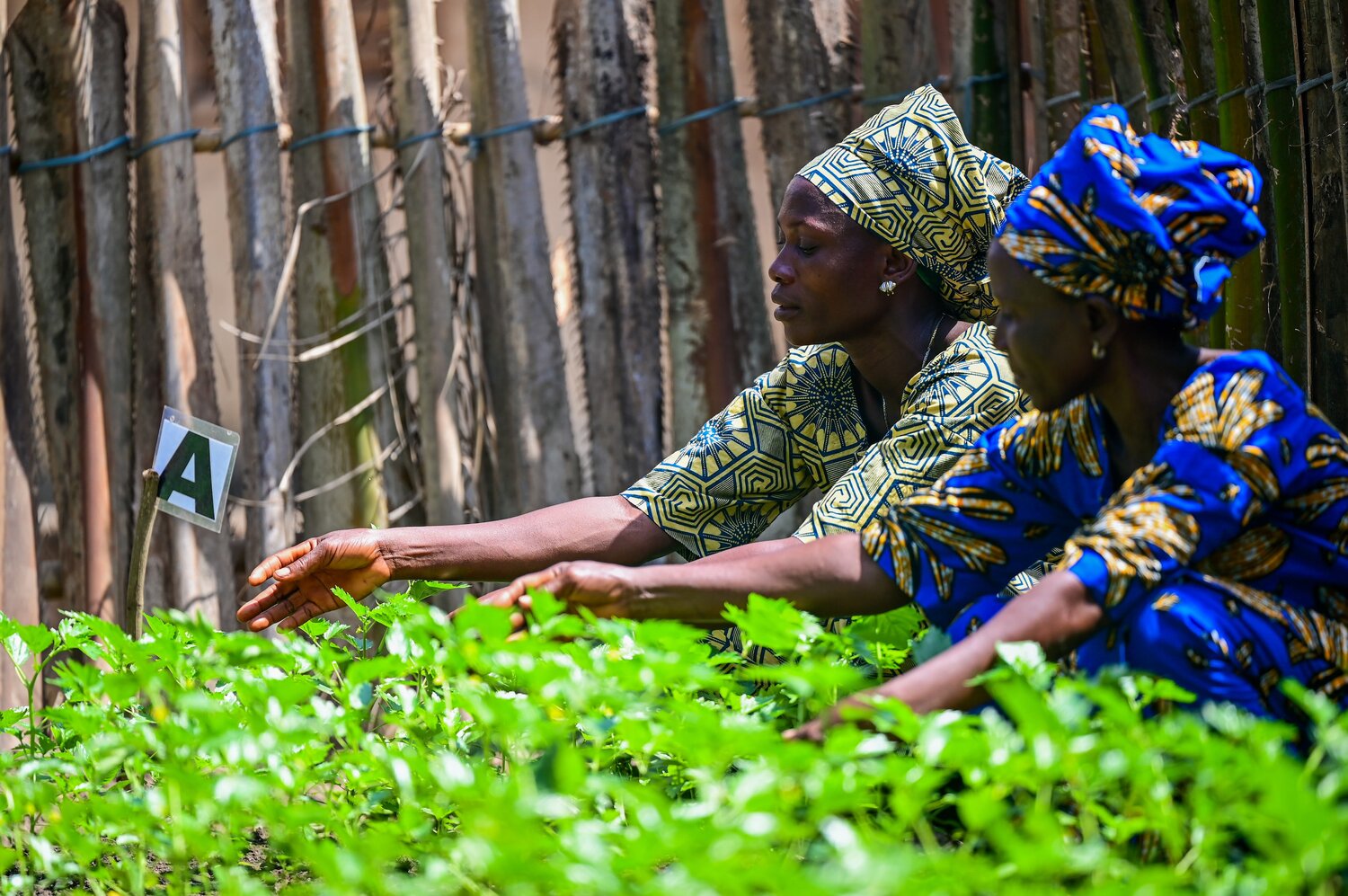
Farmers check tricot trials of jute mallow at a village in Bonou, south-eastern Benin. Photo: Neil Palmer/Crop Trust
Safety Duplication at the Svalbard Global Seed Vault
The year 2025 marked the end of a four-year effort to support developing country regeneration and multi-level safety duplication of priority crop samples, with a goal to secure this diversity in the Svalbard Global Seed Vault. The effort was a resounding success.
By the end of 2025, partners had regenerated 44,623 samples, exceeding the target of 40,000. A total of 33,497 were secured through first-level safety duplication at national, regional or international genebanks, with 34,881 accessions deposited in the Svalbard Global Seed Vault for second-level safety duplication.
As part of this effort partner genebanks received equipment and infrastructure improvements, including freezers and moisture meters. Training supported seed regeneration, processing, viability testing and data management. Seed fairs and field days were held to strengthen links between farmers, researchers and genebanks.
The project leaves a solid legacy – collections duplicated and backed up in the arctic Seed Vault, improved infrastructure and technical capacity, and a stronger genebank network.
Communications, Engagement and Outreach
In 2025, the Crop Trust highlighted the diverse work of our BOLD project team and partners around the world. A dedicated BOLD project liaison in the Crop Trust communications team led the effort to raise visibility of project activity and success stories:
- Twenty-six BOLD stories were published on the Crop Trust website and amplified on social media, including on partner channels.
- Four press releases were pushed to media outlets, one on the BOLD supported deposit into the Svalbard Global Seed Vault and three on new varieties.
- Conserving & Using Crop Diversity launched, encouraging users to explore how crops we eat are conserved, studied and used to build a more secure food future.
- Opportunity crops were the focus of the Crop Chronicles and took center stage at the Opportunity Crops: a BOLDER Approach to Food Security event in Bonn.
- A Communications Community of Practice was established with 10 national genebanks developing communications action plans and strategic outreach materials to highlight their work online and in their country’s media.
Crop Trust communications also supported technical development of the Opportunity Crops Knowledge Base, ensuring the platform is optimized to document, organize and share knowledge.
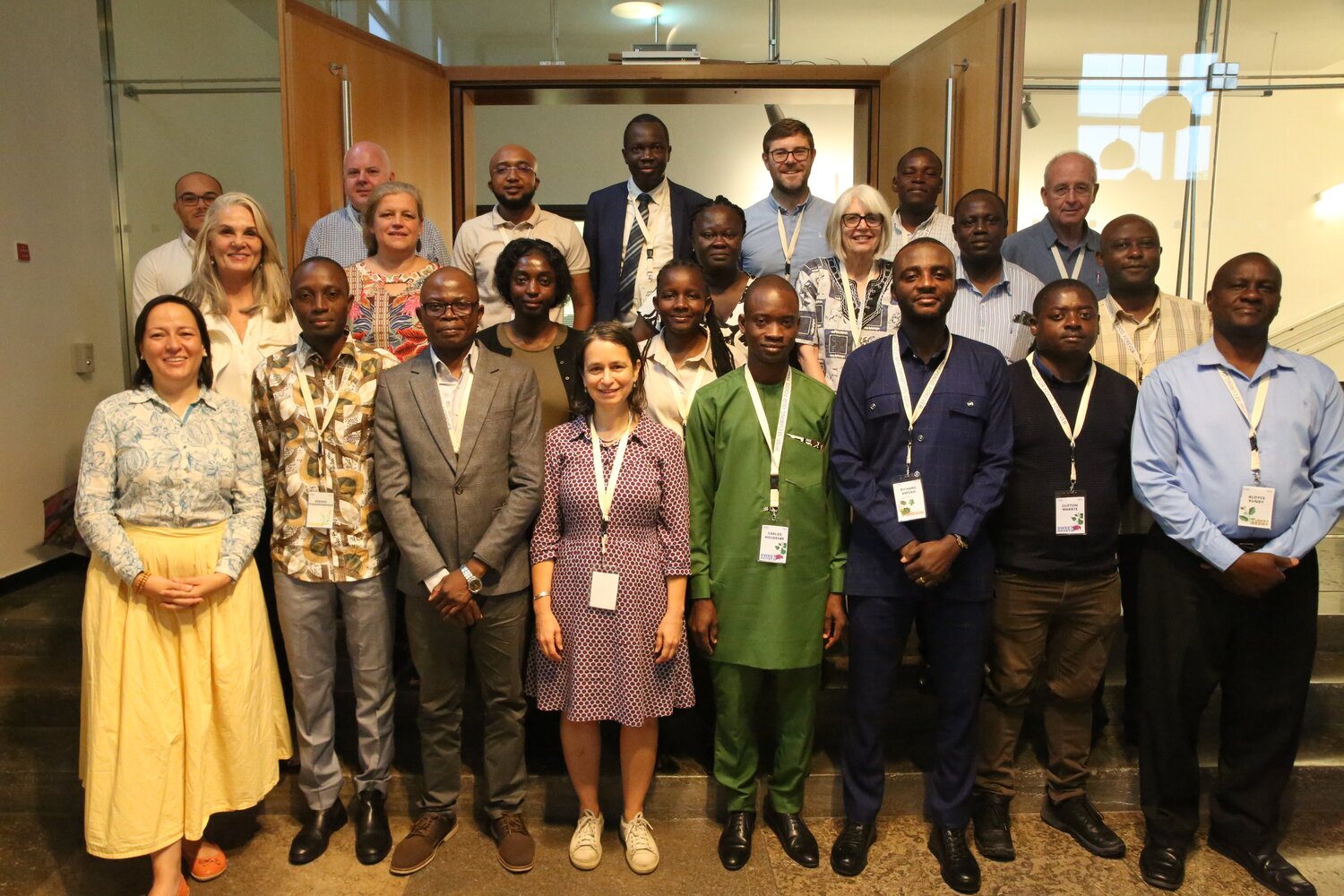
BOLDER partners meet in Bonn to review progress on the knowledge base and coordinate upcoming activities. Photo: Luis Salazar/Crop Trust
BOLDER (Building Opportunities for Lesser-known Diversity in Edible Resources)
A major focus of the Building Opportunities for Lesser-known Diversity in Edible Resources (BOLDER) initiative of the BOLD project in 2025 was the expansion of the Opportunity Crops Knowledge Base. A technical team met regularly to refine its structure and explore links with other platforms, including Genesys. The BOLDER team worked to strengthen the research foundation of the knowledge base, developing crop pages, partner profiles and informative briefs. A set of 477 academic and technical references related to neglected and underutilized species was compiled for the platform.
In addition to the Knowledge Base, the BOLDER initiative worked on several key areas for opportunity crops:
- A Food Systems Specialist and photojournalist were brought on board to document crop diversity in food systems, focusing on collecting research insights and opportunity crop value chains in Ghana, Benin, Tanzania and Uganda. Opportunity crop knowledge was shared through a GROW webinar that brought together experts working on crop diversity conservation and use.
- In September, BOLDER partners met in Bonn to review progress on the knowledge base and coordinate upcoming activities.
Biodiversity for Opportunities, Livelihoods and Development (BOLD) is a 10-year project funded by the Government of Norway. It builds on the successes of the Crop Wild Relatives Project. Discover more about the BOLD project
Related Stories
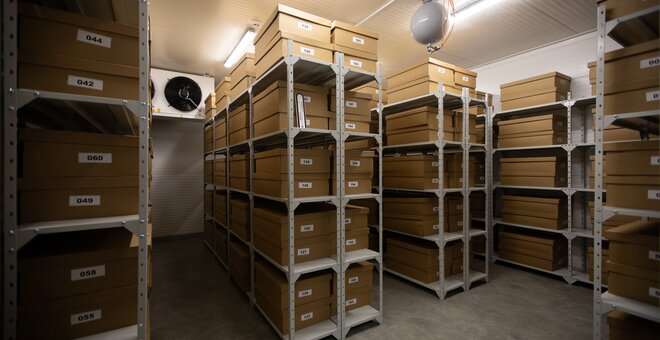
FAO: Ukraine Opens New Duplicate Centre to Safeguard National Plant Genetic Resources
The Food and Agriculture Organization of the United Nations (FAO) in Ukraine, with the financial support of the European Union (EU) and in partnership with the International Treaty on Plant Genetic Resources for Food and...
11 Nov 2025
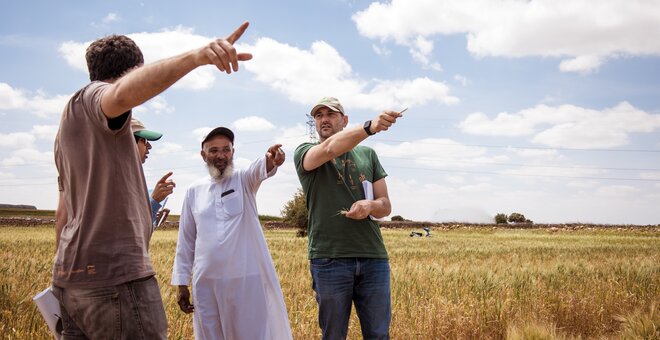
New Drought-tolerant Durum Wheat Variety Proves Its Worth in Morocco
As seed multiplication efforts for the durum wheat variety Jawahir continue, farmers in drought-stricken regions of Morocco get a first taste of its potential.
BONN, GERMANY, 17 June 2025 – “We prefer not to plant. It’s too dry,”...
17 Jun 2025
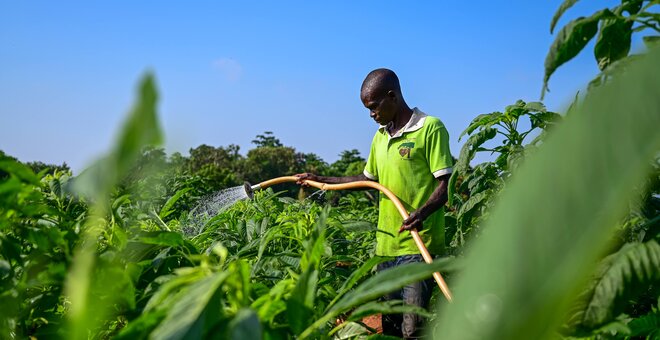
Five Ways Africa’s Opportunity Crops Can Shape the Future of Food
Africa’s population is set to double by 2050, with cities absorbing most of that growth. At the same time, diets are changing, climate shocks are intensifying and policies still favor a few major crops. Against this backdrop,...
9 Dec 2025