Responding to Risk: Emergency Reserve for Genebanks
The Emergency Reserve for Genebanks continues to prove its value as a rapid-response mechanism to protect targeted crop diversity under threat. As risks to genebanks intensify – from power disruptions and funding gaps to broader environmental and political instability – the need for flexible support delivered quickly has increased. In 2025, work through the Emergency Reserve highlighted how timely action can prevent long-term loss.
In Ecuador, recurring nationwide electricity outages posed a serious threat to cold storage systems at the genebank of the Instituto Nacional de Investigaciones Agropecuarias. Emergency funding was used to buy a power generator, helping stabilize conditions and secure the country’s crop collections.
In Costa Rica, the Tropical Agricultural Research and Higher Education Center (CATIE) genebank faced financial constraints following the loss of funding from major donors. Emergency support covered essential labor costs, allowing field operations for internationally important cacao collection to continue uninterrupted.
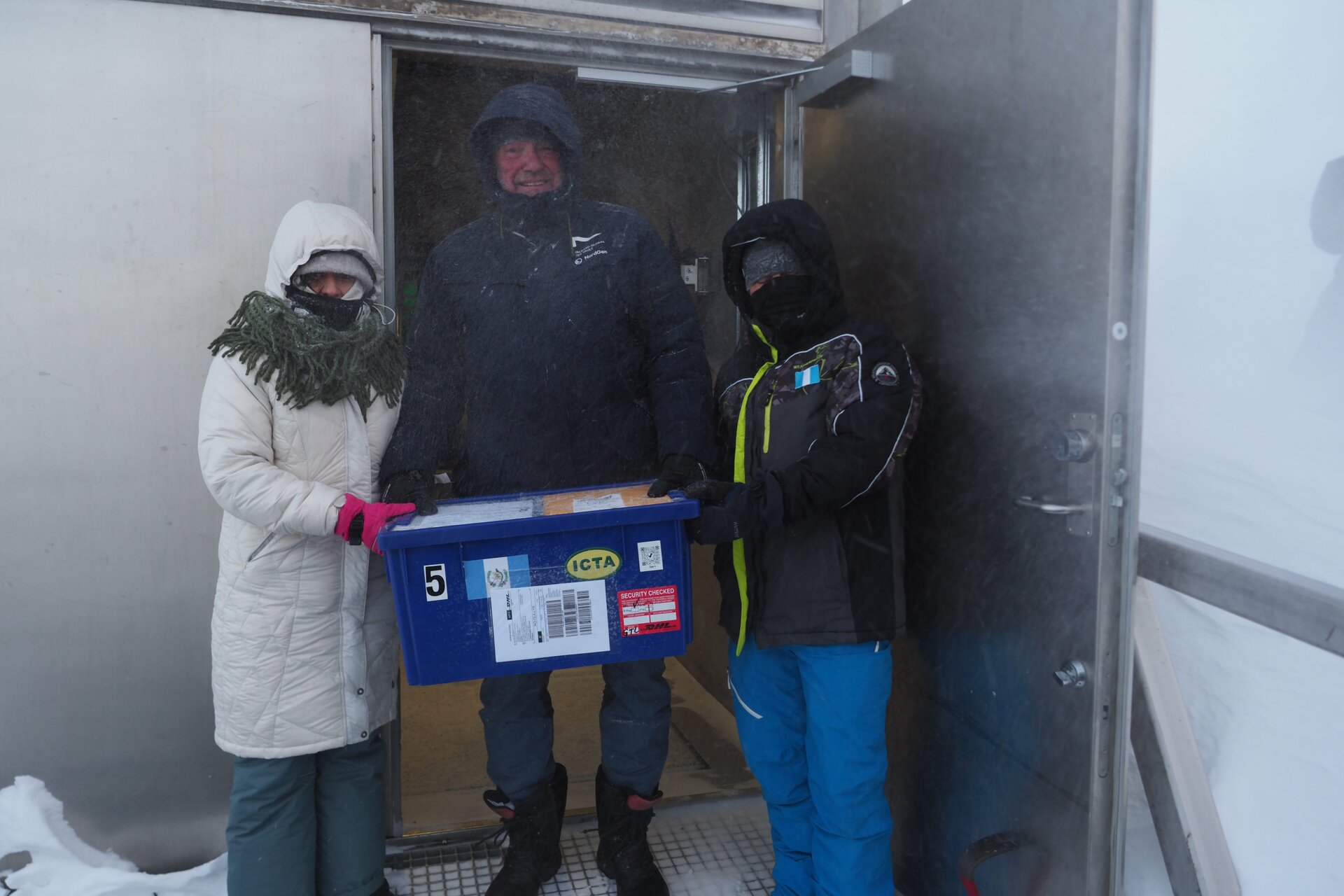
The Guatemala national genebank – working in partnership with FAO Guatemala and the International Plant Treaty – received funding to renovate cold storage facilities and support safety duplication efforts. As a result, more than 900 samples of maize, beans, amaranth, squash and teosinte were deposited into the Svalbard Global Seed Vault in February 2026, a first for Guatemala.
In Ukraine, a broad coalition of partners – including the Crop Trust – supported the National Academy of Agrarian Sciences in establishing and opening a new Duplicate Centre to safeguard the country’s plant genetic resources.
These interventions underscore the strategic importance of having a dedicated emergency funding facility in place. Genebanks are the backbone of global food security, yet many operate under constrained and unpredictable conditions. When disruptions occur, even short-term gaps in power, staffing or infrastructure can have irreversible consequences. The Emergency Reserve helps bridge these gaps, ensuring that critical collections remain safe and available for future use.
Since its establishment, the Emergency Reserve has received more than 30 requests from genebanks across 27 countries, totalling over USD 2.3 million. To date, support has been deployed in Sudan, Laos, the Philippines, Ecuador, Ukraine, Guatemala and at CATIE.
Dr Kent Nnadozie, Secretary of the International Plant Treaty, noted: “We live in an interconnected world. Losing a unique collection of crop diversity in one country today means losing opportunities of breeding a plant variety tomorrow that will be adapted to changing environments and needs elsewhere.”

For the Crop Trust, the Emergency Reserve is a key component of a more resilient global system. The Emergency Reserve opens a path to deal with imminent threats, both big and small.