Seeds for Resilience: Strengthening National Genebanks Across Africa
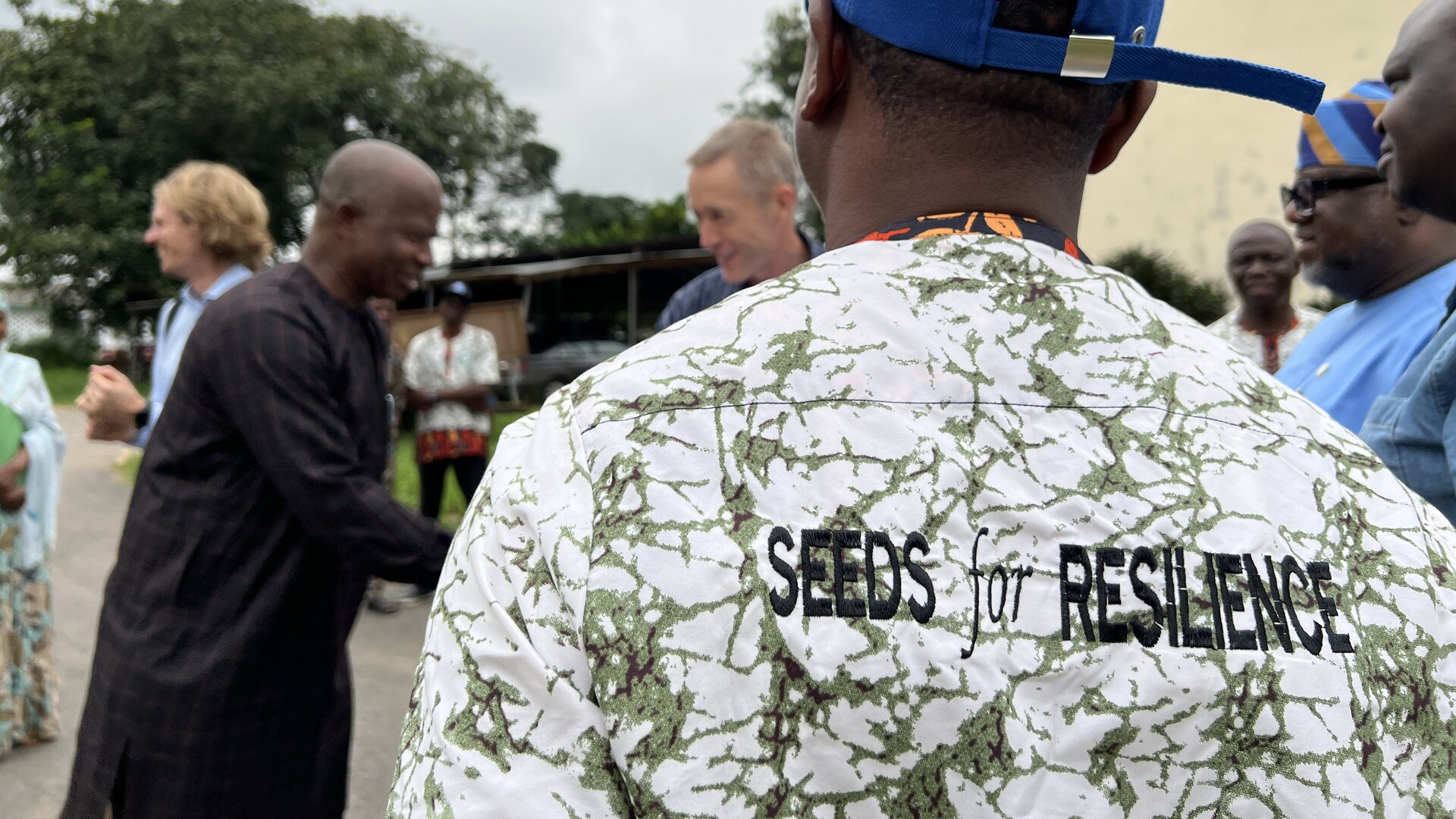
- 2025 was a year of transition for Seeds for Resilience, which was extended by two years.
- Focus shifted from implementation support to upgrades of essential infrastructure.
- Project activities strengthened national genebanks and engaged on the value of crop diversity conservation and use.
In 2025, the Crop Trust and our Seeds for Resilience partners concentrated on improving seed-drying facilities at the national genebanks of Ghana, Kenya, Nigeria and Zambia. We worked with a Zambia-based civil engineering partner to plan the renovation of existing structures and the construction of a new satellite genebank facility in Ghana.
In Zambia, work began in October at the National Plant Genetic Resources Centre (NPGRC) at the Zambia Agricultural Research Institute. In Kenya, asbestos first needed to be removed from existing structures at the Genetic Resources Research Institute (GeRRI) buildings. The project used contingency funds to replace the roof, which was completed by the end of the year and then the infrastructure upgrade tender was launched.
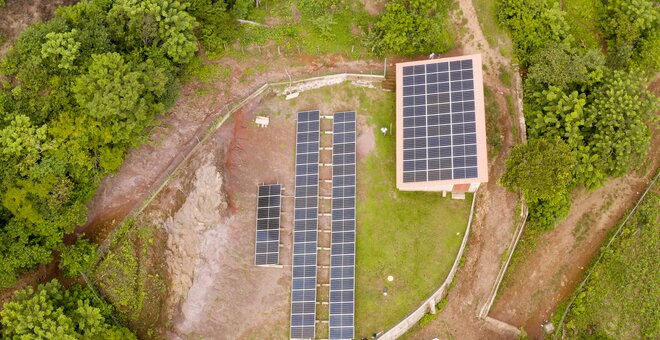
Reliable electricity is critical to a genebank, yet power supply remains far from guaranteed in the partner countries. Zambia, in particular, faces frequent disruptions linked to drought-affected hydropower generation. In 2025, the project worked with the GIZ Project Development Programme on feasibility studies for solar power implementation at the genebanks in Ghana, Nigeria and Kenya.
Seeds for Resilience continued to empower genebanks to function effectively. To improve use of the GGCE data management system, staff from all partner genebanks attended GOAL Data Management workshops and staff from Kenya, Ghana and Nigeria participated in follow-up workshops.
The project recognized that efficient administration is as important as good science for effective genebank operations. New computers were provided to the finance department at the Kenya Agricultural and Livestock Research Organization (KALRO) and accounting software was provided to the National Centre for Genetic Resources and Biotechnology (NACGRAB) in Nigeria.
In Nigeria, Seeds for Resilience supported efforts to raise the national profile of genebank work. NACGRAB hosted an advocacy workshop in May to encourage policymakers and senior government officials to strengthen support for conservation and use of crop diversity infrastructure and financing. Representatives from the Federal Ministry of Innovation, Science and Technology and the Federal Ministry of Agriculture and Food Security attended, with the event generating local media coverage.
At the international level, all four genebank managers participated as national focal points in the GB-11 meeting and recognized the project’s contribution. Leadership from GeRRI in Kenya also took part in an International Plant Treaty-led workshop in Tanzania.
The year saw another tangible step forward in safeguarding national collections in the world’s ultimate backup facility for seed samples. With project support, GeRRI deposited 749 accessions of priority crops, including pigeon pea, finger millet, pearl millet, sorghum, mung bean and cowpea, in the Svalbard Global Seed Vault in June.
Since 2019, Seeds for Resilience has supported the national genebanks of Ethiopia, Ghana, Kenya, Nigeria and Zambia. The project is supported by the Federal Government of Germany (BMZ), through the German Development Bank (KfW). Discover more about Seeds for Resilience
Related news
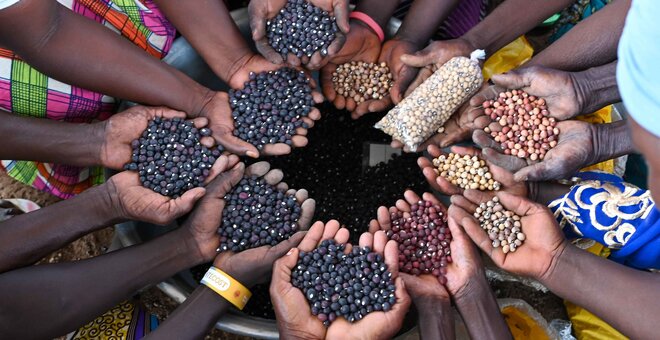
Farmers Build Resilience with Genebank Seeds
User Groups Offer Model to Increase Use of Crop Diversity, Study Finds
16 Sept 2025

How Digital Technology is Transforming Genebank Management Across Africa
In a genebank outside Nairobi, a technician scans a barcode label on a seed envelope. Instantly, a screen fills with data – where the seed was collected, when it was last tested and whether it has duplicates safely stored...
12 Dec 2025